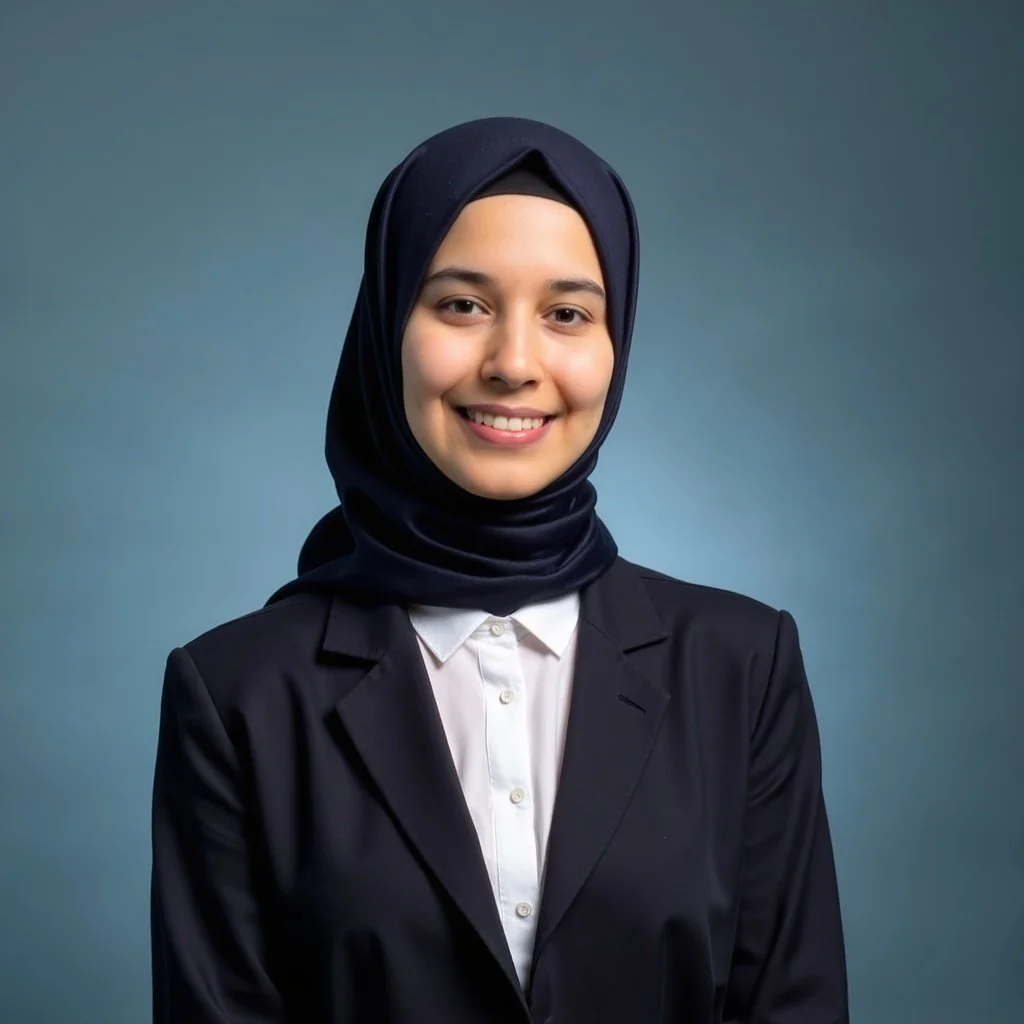
Refia Atik
I am a PhD candidate in Chemistry at the University of Houston, working in the research group of Prof. T. Randall Lee. My work lies at the intersection of nanomaterials and polymer chemistry, with a focus on designing polymer-coated gold nanostructures for biomedical applications. In particular, I develop surface-initiated polymer coatings that enable controlled, stimuli-responsive behavior, with the goal of advancing approaches in drug delivery and photothermal therapy. I am especially interested in how surface chemistry and polymer architecture influence material performance, stability, and functionality at the nanoscale.
I completed my B.S. and M.S. in Chemistry at Boğaziçi University in Istanbul, Turkey, where I developed a strong foundation in polymer synthesis, characterization, and structure–property relationships. During my graduate studies, I worked on polymer systems designed for advanced coating applications, gaining experience in both fundamental research and applied materials development. This background continues to shape my approach to research today, where I aim to connect fundamental design principles with real-world biomedical challenges.
Throughout my academic journey, I have been fortunate to work in diverse research environments and on interdisciplinary projects, including experience in polymer chemistry, nanomaterials, and biomaterials. I have also presented my work at international conferences and contributed to scientific publications, which has strengthened my ability to communicate complex ideas clearly and engage with the broader scientific community.
Beyond research, I am deeply interested in science communication and community engagement. I contribute as a volunteer with Mothers in Science, supporting initiatives that increase visibility, accessibility, and support for researchers with caregiving responsibilities. Through this work, I help promote conversations around equity, representation, and sustainability in academic and scientific careers.
As both a researcher and a mother, I bring a perspective that values balance, resilience, and inclusivity. I am particularly interested in leadership approaches that foster collaborative, supportive, and adaptable research environments. I believe that strong scientific communities are built not only through innovation, but also through mentorship, empathy, and shared purpose.
I enjoy connecting with researchers across disciplines and backgrounds, and I am always open to new collaborations, ideas, and opportunities to translate scientific research into meaningful impact.